Month: December 2025
December 2, 2025
Unlock Safety & Career Growth: Key Benefits of a Multi-State Gun Permit
- Multi-state permits expand legal carry coverage across regions.
- Training meets higher standards for safer, confident carry.
- One streamlined process replaces multiple applications.
- Predictable rules reduce the risk of legal mistakes when traveling.
- Strong legal knowledge boosts safety, confidence, and credibility.
If you carry regularly or travel a lot, you already know how confusing different state laws can get. A legitimate multi-state gun permit helps cut through some of that confusion by giving you solid, reliable pistol carry rights in neighboring states without depending fully on shifting reciprocity rules. You’ll still deal with each state’s individual rules, but having a multi-state permit makes things a lot more predictable if you’re bouncing between borders often.
And honestly, the benefits go further than just making travel a little easier. Getting one shows you’ve put in the extra work and training to meet a higher standard. It also tells the state that you understand how to handle your firearm safely and that you’re serious about knowing the law. If you’re considering one, here’s a breakdown of why a multi-state permit can make life a lot simpler.
What are the benefits of having a multi-state pistol permit?
There are plenty of real advantages to having a multi-state permit, especially if you’re someone who needs or wants steady, predictable carry rights in multiple areas.
Expanded legal carry coverage
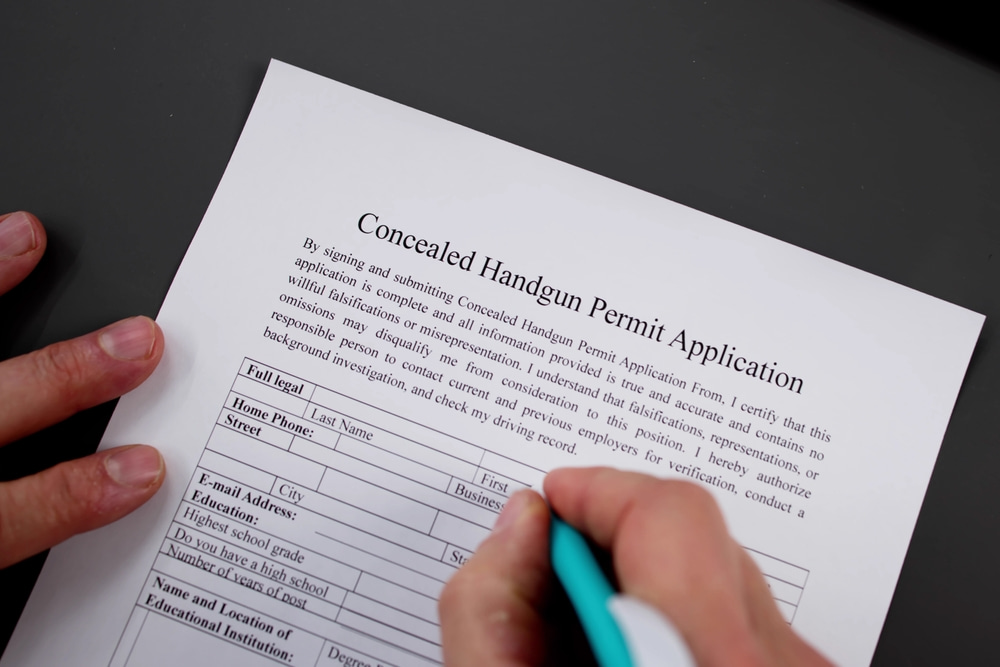
The most obvious advantage is broader geographic permission. Instead of hoping reciprocity hasn’t changed since the last time you checked, you get locked-in carry privileges with those three states. This really helps people who cross state lines for work, travel often, or spend time visiting family in nearby states.
More predictable legal expectations
Even though the laws aren’t identical, the permit tells Rhode Island and Massachusetts officials that your Connecticut training meets what they expect. That way, you’re not constantly second-guessing reciprocity charts or wondering what changed last month. You know exactly where your permit applies and under which conditions you’re authorized to carry.
Higher training standards equal stronger competency
Since the course has to meet three states’ expectations, you usually end up with a deeper, more complete class than a standard one-state course. Applicants complete modules on firearm safety fundamentals, defensive decision-making, state-specific legal frameworks, and live-fire proficiency. That extra training tends to make people more confident and more capable with their firearm.
Streamlined application process
Instead of juggling three separate applications, fingerprints, and fees, most folks get it done through one streamlined process. Even when the application is submitted through a single state that the others formally recognize, the result is significantly less administrative work than applying separately.
Reduced risk of legal violations
Without a permit like this, you’re stuck trying to remember three different sets of carry laws and transport rules every time you have to cross the border. While the multi-state permit does not eliminate these differences, the training helps you understand all three sets of laws in one place. And having everything laid out clearly lowers your chances of making an honest mistake while you’re on the road.
Greater personal protection
If being prepared matters to you, having steady carry rights across multiple states takes a lot of stress off your shoulders. Whether commuting, traveling for business, or spending time in different regions throughout the year, the permit ensures that your personal protection tool remains available within the boundaries of the state gun laws.
Enhanced credibility
Meeting multi-state standards often shows others (trainers, employers, etc.) that you take this seriously. Some applicants pursue the permit to bolster their professional profile in fields where safety, compliance, or threat awareness is expected. Others simply value the personal discipline and structure that multi-state training requires.
Smoother renewals & ongoing compliance
After you’re approved, keeping one permit current is way easier than juggling three different renewal deadlines. Depending on the issuing state’s structure, you may be able to complete a single renewal cycle that keeps all three privileges active. It cuts down on paperwork and helps prevent you from accidentally letting something expire.
Stronger understanding of legal responsibility
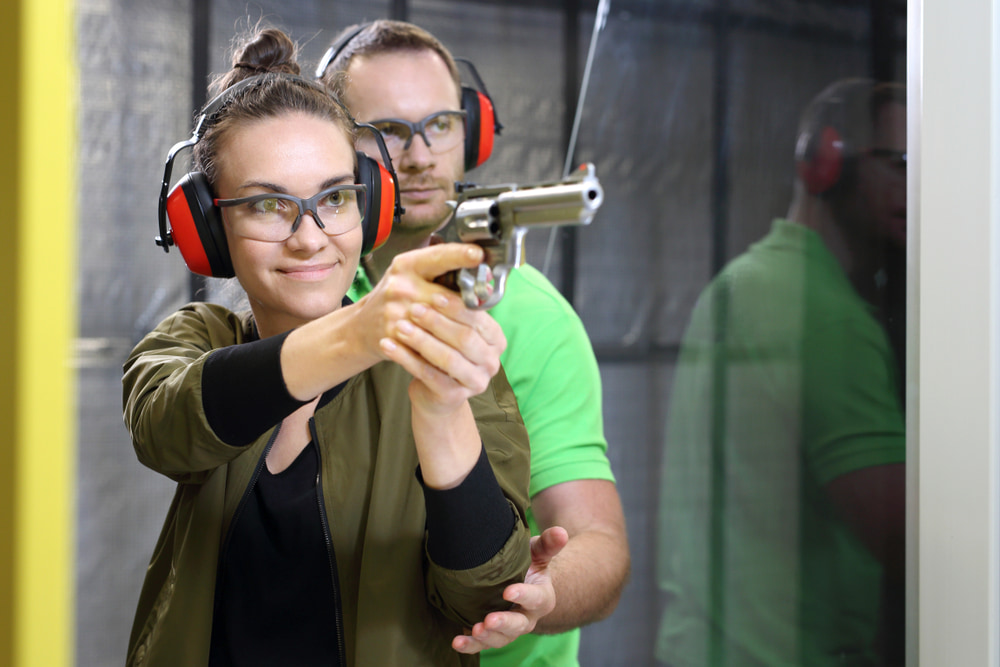
Carrying in multiple states requires a firm grasp of laws governing the use of force, prohibited carry zones, transport rules, and interactions with law enforcement. The permit process teaches you a lot, and that knowledge goes a long way toward keeping you legally safe and more confident in different types of situations.
Where can I secure a certified multi-state gun permit in CT?
If you’re looking for a well-designed course in Norwich, CT that builds on your existing skillset, boosts your confidence, and improves responses when it matters the most, Blackledge Training is the leading team of experts in the 3-state area. We’ll help you stay sharp, make the right decisions in stressful situations, and give you a clear sense of your legal rights and responsibilities.
Whether you’re looking for a 3-state gun permit for lawful carry across the border, have questions on the paperwork you need, or you just want to learn about the limitations of a multi-state permit, we value preparedness and accountability, so don’t hesitate to turn to us. Contact our team, and let’s enroll you in our multi-state permit classes without delay!
December 2, 2025
Connecticut Multi-State Handgun Permit: Key Limitations Revealed
- Multi-state permits don’t override state-specific carry restrictions.
- No-carry zones remain off limits even with the permit.
- Use-of-force laws differ and must be understood per state.
- Transport, inform, and property rules vary across borders.
- Reciprocity and training rules can change at any time.
Carrying a firearm legally across multiple states definitely gives you some peace of mind, especially if your work sees you travel to a nearby state or you just want to be prepared wherever you go. A valid multi-state handgun permit is an easier way to keep their carry rights consistent without filling out a whole new stack of paperwork every time they cross a border. While this type of permit certainly offers expanded flexibility, it is not without its limitations. Understanding those constraints is just as important as understanding what the permit allows.
Even with a valid multi-state permit, you are still required to comply with the strictest applicable regulations at any given moment. So you’ve really got to know the laws, stay aware, and lean on the training you’ve had, because the rules shift as soon as you cross into another state. Today’s article helps you understand the limitations up front so you don’t accidentally break a rule you didn’t know about.
What restrictions come with a multi-state pistol permit?
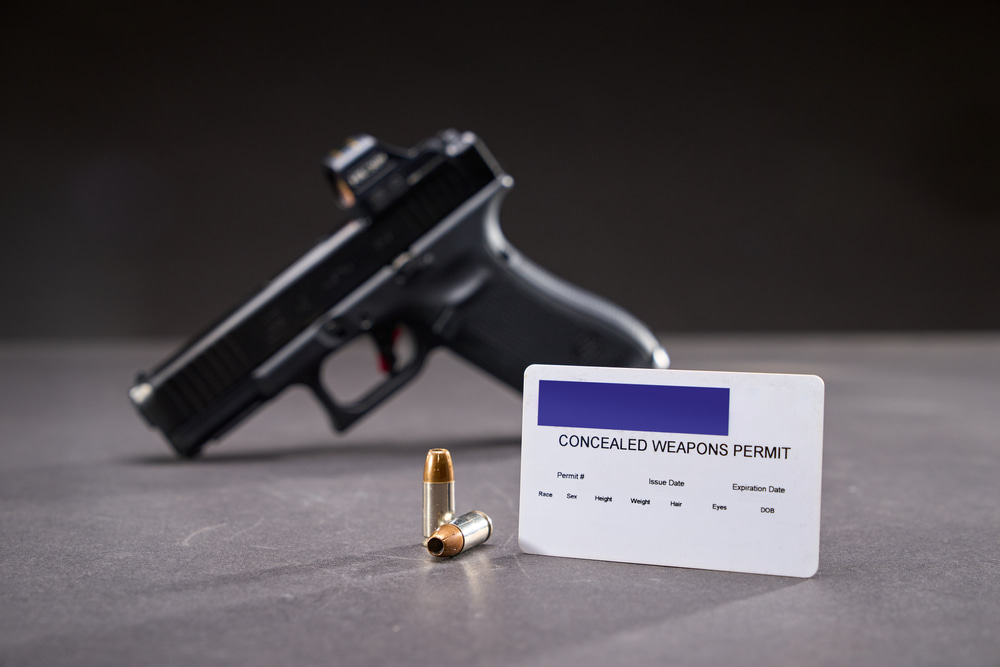
Although a multi-state pistol permit broadens your ability to legally carry, each state still has its own rules on where you can carry, when you can carry, and what’s off-limits. That doesn’t change just because you have a multi-state permit, so it’s crucial that you’re aware of the following restrictions before traveling crossing the border from Connecticut to Rhode Island or Massachusetts.
Location-based prohibitions remain fully in effect
Even with this permit, the usual no-carry spots—federal buildings, posted locations, certain state facilities—are still off limits. These often include courthouses, airports, schools, government buildings, and secured facilities. Depending on the state, places that serve alcohol or businesses with clear no-carry signs might still be a hard no, permit or not.
Each state maintains its own use-of-force standard
While your permit grants you the legal right to carry, it does not standardize self-defense laws. One state might give you stand-your-ground protection, while the next state expects you to back off if it’s safe to do so. Permit holders must study each jurisdiction’s legal standards to avoid misinterpreting their responsibilities in a defensive encounter.
Vehicle transport rules may differ
In some states, you can carry your weapon concealed in a vehicle without additional requirements, while in others, the firearm must remain secured, locked, or stored separately from ammunition. Your permit does not override these conditions, and failure to follow transport protocols can result in fines or criminal charges.
Duty-to-inform requirements frequently vary
Some states want you to tell an officer right away that you’re carrying during a traffic stop. Others have no such requirement. If you don’t know the rules and handle the stop wrong, things can get tense fast, or you could end up in trouble even though you meant to follow the law.
Private property rights can override your permit
Property owners can still tell you ‘no firearms’ if that’s their policy, and you’ve got to respect it. If they provide a written or posted notice, you must comply regardless of your permit status. Ignoring a posted no-weapons policy can lead to removal from the property or legal consequences.
Magazine capacity & firearm type laws still apply
While the permit authorizes you to carry a handgun, it doesn’t override rules on magazine limits or what types of pistols are allowed in that state. If one of the three states enforces a capacity limit or bans particular features, you must comply whenever you are within that state’s borders.
Reciprocity can change without warning
States can change their recognition agreements whenever they want, so the rules you’re following today might not be the same a year from now. Although agencies usually provide public updates, it is the permit holder’s responsibility to remain aware of the current reciprocity status.
Background compliance remains ongoing
Even after receiving your permit, any event that would typically disqualify you—such as certain arrests, restraining orders, or prohibited-use findings—must be reported if required by your issuing jurisdiction. Failure to report disqualifying events can result in suspension or revocation of your permit.
Training requirements may evolve
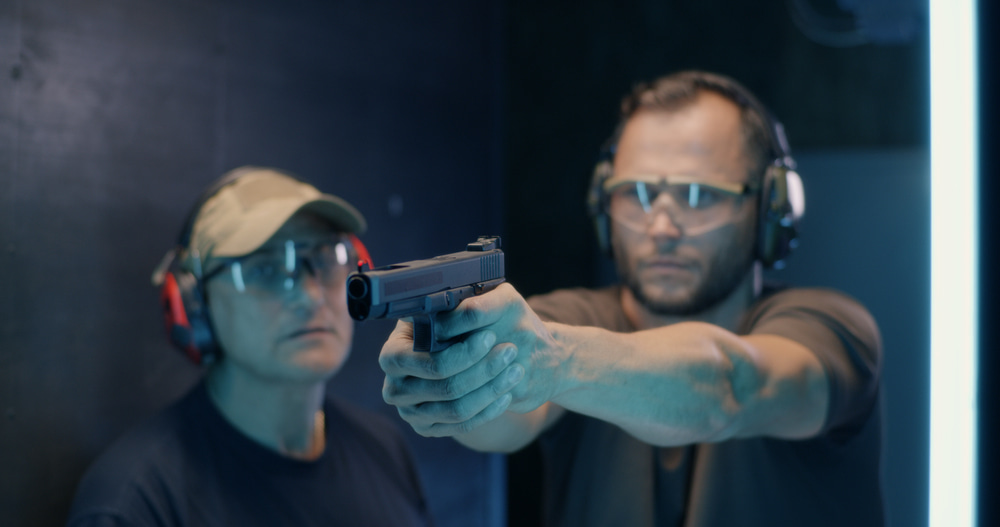
Certain states want you to take a refresher class or qualify again on the range when it’s time to renew. Others maintain new safety or legal training standards that could impact your eligibility in the future. And if a state updates its laws, you’re expected to follow the new rules—your permit doesn’t get you around that.
Where can I enroll for an authorized multi-state handgun permit in CT & nearby?
If you’re looking to obtain a multi-state permit for professional, hobby, or personal safety reasons, Blackledge Training is a place where professionals pass on their skills and knowledge in real-life situations. Our expertise can help you learn how to react in emergencies, navigate state laws, and become a responsible gun owner, enjoying both your freedoms and responsibilities.
Whether you want to inquire about the ins and outs of the permit training process, make sense of the paperwork you need, or learn more about the numerous benefits of a multi-state carry license, our team in Manchester, CT, will ensure you master the laws and navigate real-world situations with composure and confidence. Learn from the best, contact us today!
December 2, 2025
Complete Guide to Navigating Multi-State Pistol Permit Documentation
- Multi-state permits require more documents than single-state applications.
- States verify ID, training, prints, and eligibility before approval.
- Accurate, complete forms prevent delays in permit processing.
- Renewal cycles run every 2–5 years with updated checks.
- Staying current on state rule changes keeps your permit valid.
When you apply for an authentic multi-state pistol permit in CT, you’ll notice right away that the paperwork is a bit heavier than the requirements for a single-state permit. Since three different states have to sign off on you, they want a full, clean set of records that proves who you are, that you’re eligible, and that you’ve had proper training. While the paperwork may feel extensive at first glance, every document serves a purpose. Agencies want to ensure that responsible, qualified individuals receive multi-state permissions while maintaining public safety and regulatory consistency across borders.
Having everything organized up front makes life easier for you and the reviewer, and it cuts down on the back-and-forth that usually causes delays. Once you know what paperwork you need and why they ask for it, the whole application feels a lot more straightforward. This guide breaks everything down so you can apply with confidence and stay compliant throughout the life of your permit.
What documents do you need for a multi-state pistol permit application?
Every state has its quirks, but the basic set of documents you’ll need is pretty similar across the board. All of these documents help the state confirm who you are, check your training, and run the background checks they need before giving their approval.
Here is what applicants should prepare to submit:
Government-issued identification

A valid driver’s license or state ID is required to confirm identity and residency. If your address doesn’t match your ID, a state might ask for something simple like a utility bill or a lease to clear it up.
Completed application forms
The forms vary by jurisdiction, but all must be filled out accurately and completely. Take a minute to double-check everything, because even small mistakes can slow the process down.
Fingerprints & authorization for background checks
You’ll also need fingerprints, usually taken through whatever vendor the state works with. The prints let the state run its full background check and make sure nothing pops up that would disqualify you.
Proof of training
Since a multi-state permit requires training that meets or exceeds the standards of all participating jurisdictions, your certificate of completion is essential documentation. It must come from an accredited instructor or program that satisfies each state’s requirements.
Passport-style photo
A recent photograph is often required for the permit card itself. Specifications vary slightly, but most follow standard passport guidelines for size, background, and clarity.
Character references (if required)
Some states and local jurisdictions still want character references from people who know you well, just to vouch for your judgment and responsibility. While not always required, applicants should be prepared in case one of the three states still uses this practice.
Application fees
Although not strictly considered a document, proof of payment is typically included in your submission packet. Fees usually differ between states, so make sure to verify exact amounts before filing.
Do you need to renew a multi-state pistol permit?
Yes, like all carry permits, a multi-state pistol permit requires renewal to maintain its validity. Renewal timelines vary by jurisdiction, but most states operate on a cycle of two to five years. Because multi-state recognition depends on each participating state’s rules, the permit holder must track renewal deadlines closely.
Renewal documentation is generally simpler than the initial application, although some elements may be repeated. Applicants can expect to provide:
Updated ID
Your current driver’s license or state ID is required to confirm residency and verify that your personal information has not changed.
Renewal application forms
These shorter forms confirm eligibility and provide updated background information.
Background check authorization
Even during renewal, the state will still check to make sure nothing new has happened that could affect your eligibility.
Refresher training or qualification (if required)
Depending on the state, you might have to run through a live-fire qualification or take a refresher class when it’s time to renew. If any of the three states in your permit package requires new training, you must comply to maintain a valid multi-state status.
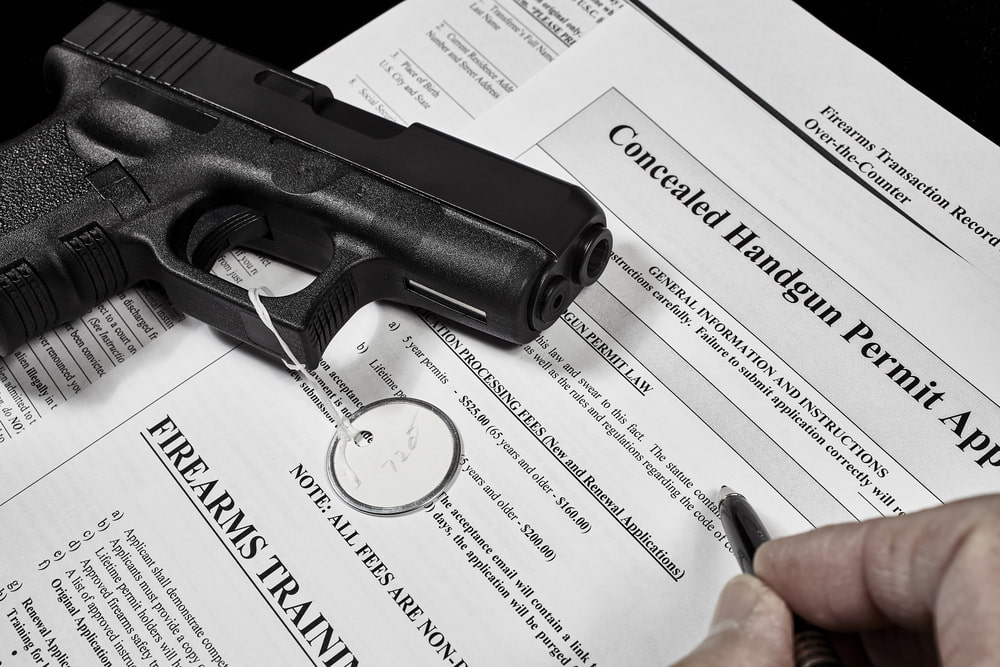
Renewal fees
As with the initial application, each state sets its own pricing.
Keep in mind that states may change their recognition policies over time, so it’s important to stay informed about these updates to ensure you remain compliant when traveling or carrying across state lines.
Where can I obtain an authorized multi-state pistol permit in CT & the vicinity?
If you’re in Tolland County and planning your next career move across the state in Massachusetts or Rhode Island, Blackledge Training is the perfect place to fortify your firearms education and secure your state-sanctioned license to carry across state lines. Our professionals combine priceless on-field experience with theoretical and tactical knowledge that will raise your gun handling and awareness to the next level.
Whether you’re interested in 3-state pistol permit training, want to learn about the limitations of multi-state permits, or get informed about the perks of a multi-state carry license, we’ll help you navigate the paperwork and the complexities of the process. Get in touch with professionals today, and we’ll polish up your sharpshooting skills!
December 2, 2025
Laws, Live Fire & Liability: What to Expect From a 3-State Pistol Permit Training
- A 3-state pistol permit requires meeting the toughest rules of all states.
- Multi-state training covers safety, laws, and live-fire skills.
- Applications need fingerprints, proof of training, and background checks.
- Permits arrive in 30–90 days, depending on state processing.
- Always stay updated on changing carry laws to remain compliant and responsible.
Securing a valid 3-state pistol permit in CT is a smart move if you want the freedom to carry legally without wondering what changes every time you cross a state line. Whether you’re preparing for personal protection, a career move, sport shooting, or simply want to expand your understanding of firearm regulations, the process involves structured training, detailed application requirements, and a clear grasp of each state’s expectations.
A lot of people assume a permit automatically carries over into other states, but that’s rarely the case once you look at the fine print. Instead, you must complete approved coursework that meets or exceeds the standards of all three participating states.
By the time you wrap up the course, you’ll feel more confident and safe handling your firearm and have a clear sense of what the law expects from you when you carry. In today’s post, we provide a detailed look at what to expect and how to navigate each step confidently if you’re planning to begin the process soon.
How do you get a 3-state pistol permit?
Obtaining a 3-state pistol permit starts with verifying which states are included and whether you meet the eligibility criteria for each. Every state has its own way of doing things, so you basically end up meeting the toughest rules out of the three to stay on the safe side. This usually means meeting age requirements, passing a background check, completing approved training, and providing identification and residency documentation.

The process starts with a certified multi-state training program that clearly outlines reciprocity agreements. Once training is completed, applicants submit their application packet to each state or to the state that issues a permit recognized by the other two. This packet typically includes fingerprints, a notarized application, proof of training, and fees.
The background check digs pretty deep, looking at anything that could affect your eligibility, so don’t be surprised if it feels thorough. If all requirements are satisfied, you’ll receive your permit card from the issuing jurisdiction. After you get your permit, keep an eye on rule changes. States update carry laws more often than people realize, and staying current is a big part of carrying responsibly.
What training is required for a 3-state pistol permit?
The training you’ll take for a 3-state permit usually goes a bit deeper than the standard one-state class most folks are used to. Because the curriculum must satisfy three different sets of standards, you can expect a full day or multiple days of instruction covering legal, practical, and safety-focused components.
A typical course for a 3-state pistol permit includes:
Firearm safety fundamentals
This covers safe loading and unloading, proper grip and stance, storage requirements, and malfunction clearing. Instructors emphasize consistent handling habits that reduce risk and improve accuracy.
Use-of-force & state-specific laws
Since each state has its own guidelines on self-defense, prohibited locations, transportation rules, and duty-to-inform statutes, the legal module is one of the most important sections. You will learn how to interpret these laws and apply them to real-world scenarios.
Live-fire qualification
Applicants must demonstrate safe handling and acceptable shooting proficiency. You’ll spend time on the range running real drills under an instructor’s supervision so they can actually see how you handle the firearm.
Situational awareness & defensive mindset
Instructors also spend time on real-life decision-making—when to step back, when you’re legally justified, and how to carry with the right mindset.
Upon completion, you receive a certificate that verifies you have met the combined standards required for the permit. This documentation becomes part of your application and may be referenced during the background review.
How long does it take to get a 3-state pistol permit?
The total timeline depends on class availability, processing times, and how quickly you complete your documentation. Most applicants finish their training in one to two days, depending on the course format, their experience with handguns, and live-fire requirements.
Once your application is submitted, processing typically takes anywhere from several weeks to a few months. States with higher application volume or more complex vetting procedures may require additional time. The wait mostly comes down to how fast the state processes your fingerprints, background check, and paperwork.
Most people see their permit arrive somewhere between 30 and 90 days from the date of submission, though some jurisdictions may finish sooner. To avoid delays, applicants should double-check all paperwork, provide clear and accurate information, and respond promptly to any follow-up requests from the issuing agency.
Who offers the best training for a reliable 3-state pistol permit in CT & the area?
Whether you’re located in Windham County, Rhode Island, or Massachusetts, Blackledge Training is your go-to team of firearms experts in the tri-state area. Our skilled and personable trainers specialize in state-certified courses that will transform you into a legal and responsible firearm carrier in 3 states.
If you need help sorting out the documentation, want to learn about the limitations of a 3-state pistol permit, or explore the benefits of being able to carry a firearm in 3 states, don’t hesitate to reach out to us, and we’ll run you through the basics of all this and much more. To avoid the hassle of different state gun laws and carry your handgun with confidence across the border, contact us today!