Month: February 2026
February 9, 2026
Inside Look: What Happens in Firearm Training
- Courses focus on safety, calm coaching, and confidence building.
- You start with universal safety rules: muzzle control and trigger discipline.
- You learn firearm parts plus safe loading and unloading procedures.
- Eye and ear protection are required; other gear is optional for comfort.
- Live fire begins slowly on close paper targets, with personalized coaching.
If you’ve never taken a firearms class, it’s normal to wonder what the day actually looks like. When people try to picture a firearms training academy in CT, they usually see a noisy range, strict instructors, and quick pass or fail tests. But, in reality, the best courses are structured, supportive, and pay a lot of attention to safety and confidence. You don’t have to walk in as a sharpshooter. The whole point is to slowly improve your level with each session.
A good training environment exudes a sense of calm and gives you space to concentrate on your shooting. In some cases, you may need to spend some time in the classroom first to learn the basics before you get the chance to test your skills at the range. But let’s not skip steps and start from the beginning.
What should I expect during a firearm training course?
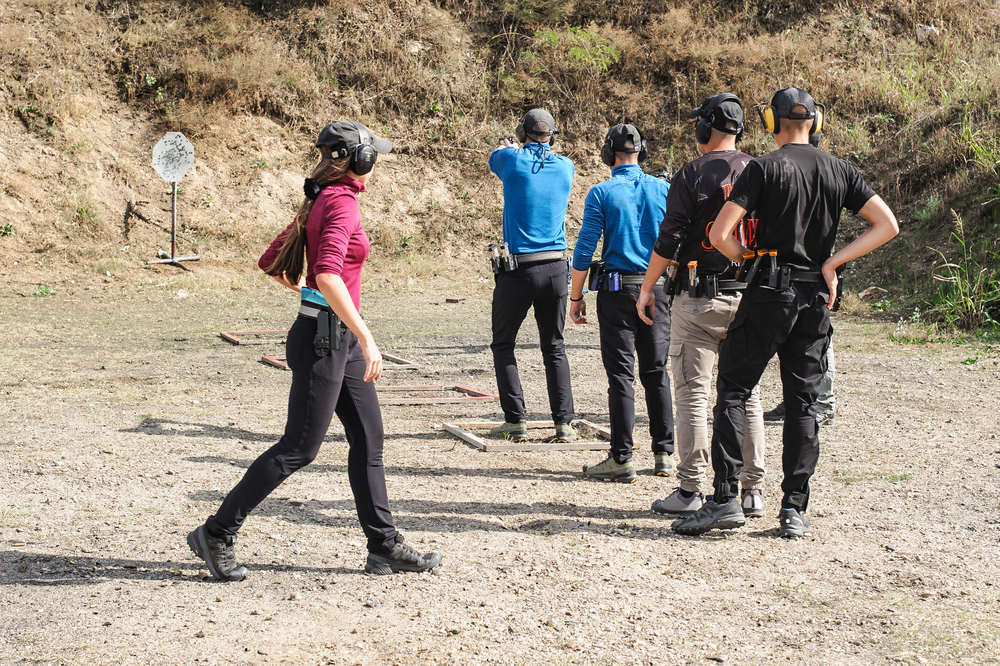
The best training programs are designed to make you comfortable with your surroundings and the firearms themselves before sharpening your skills step by step. To that end, the first order of the day is perfecting the basics.
Mastering the fundamentals
Safety should always come first at the firing range. Before you get to pull the trigger for the first time, you’ll go over universal firearm safety rules with your instructor. You will learn how to keep the muzzle in a safe direction, how to maintain proper trigger discipline, and the basic rules that are designed to keep everyone safe from firearm injury.
Firearm familiarization
Next up is getting up close and personal with the firearm. This usually includes a brief course on key gun parts, what they do, and how to handle the loading and unloading procedure safely. The goal of these first few steps is to make sure you understand how your firearm works and how to handle it in a responsible way.
Safety gear
Ear and eye protection are essential pieces of firing range equipment. While the majority of firearms academies provide protection gear, don’t be surprised to see people bringing their own personalized or branded equipment. Some instructors may recommend closed-toe footwear or a brimmed hat, and comfortable clothing to allow free movement, but all these are usually optional.
Marksmanship
Ok, time to determine your level. An instructor will give you a few easy cues to check you out and get to grips with what you’re doing right and what needs to be adjusted or changed completely. If your shots are low, left, scattered, or inconsistent, a good instructor will help you diagnose the pattern and correct it without judgment.
Live fire
Once you’ve learned the basics and demonstrated proper gun handling skills, it’s finally time to move on to live fire. You will usually start slow with paper targets positioned at a comfortable distance. Once your instructor is satisfied with what they see, you may be allowed to progress to different targets or try your hand at greater distances.
Personalized progression
If your instructor senses that you’re nervous, they may decide to slow things down and repeat some of the previous steps. There is nothing embarrassing about reinforcing the basics. The whole point of training is to adapt to your level and sense of comfort so you feel like you’re being coached instead of being judged.
Hands-on guidance
Speaking of coaching, you should expect active guidance throughout. Instructors are there to offer support, demonstrate proper techniques, and pay close attention while you practice. They may ask your permission to correct your posture, shoulder position, hand placement, and grip. Back-and-forth coaching helps people progress, so it’s important that your instructor keeps guidance clear and direct.
Where can I find the best firearms training academy in CT?
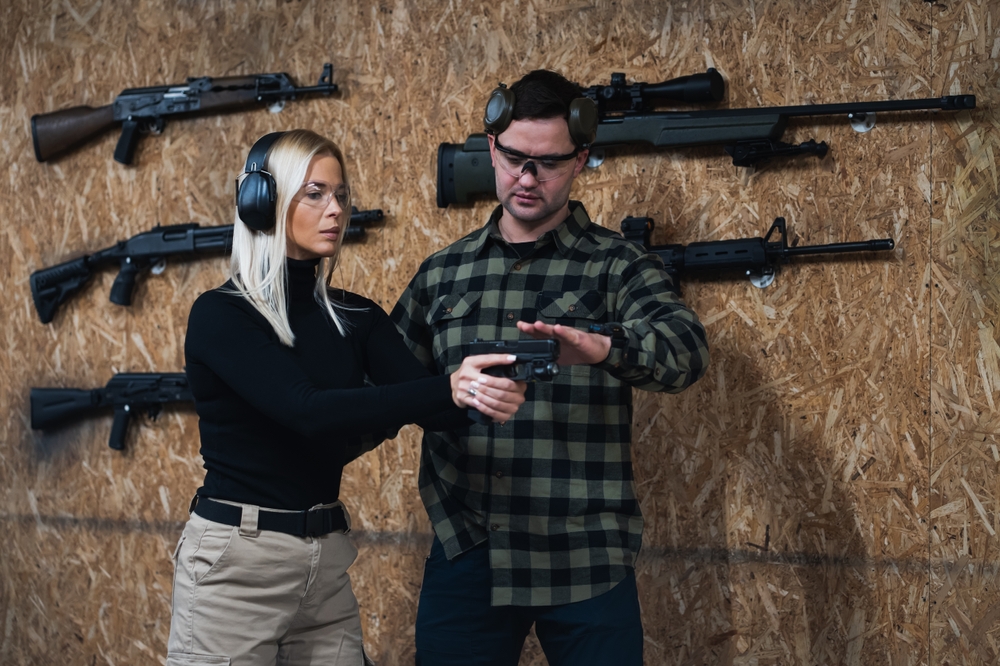
Whether you’ve never handled a gun and would like to learn proper techniques from the get-go or you’re an experienced hand at the firing range who’s looking to improve through professional guidance, Blackledge Training is the place for you. With the finest team of professionals in the Northeastern United States, we help you focus on specific goals, work through your limitations, and refine your fundamentals.
If you’re looking for expert guidance on basic firearms safety, want to learn more about the benefits of letting pros hone your sharpshooting skills, or you’d like to get to know what makes our instructors so special, feel free to turn to us for help. Contact us today, and we’ll create a safe, challenging, and personalized firearms training plan!
February 9, 2026
Qualities Every Firearms Instructor Should Have
- Instructor quality directly impacts safety, confidence, and long-term firearm habits.
- Strong instructors blend technical skill with judgment, legal awareness, and calm control.
- Clear communication and adaptability help students learn safely and retain skills.
- A supportive, structured environment reduces risk and improves outcomes.
- Professionalism means constant safety enforcement, integrity, and ongoing education.
When you start private handgun training in CT, you’ll likely look for courses with the right certifications and good scheduling. But the instructor matters just as much as the material. Two courses can teach the same content and produce completely different results depending on who’s running them.
This is especially true for advanced training, where instruction quality affects your safety, confidence, and long-term habits. Understanding what makes a strong instructor helps you choose wisely. Read on to learn what truly defines a quality firearms instructor.
What makes a good firearms instructor?
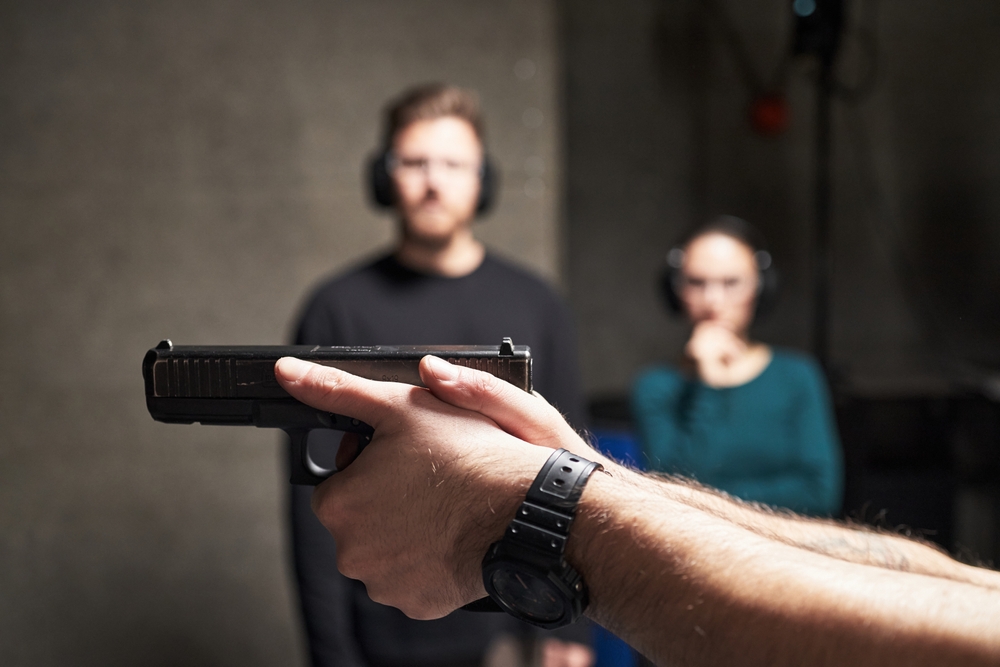
A good firearms instructor has strong core knowledge, demonstrates proper use, communicates effectively, and stays professional. Training is crucial when it comes to handguns, since only a professional firearms course guarantees you’ve learned safe use. But when you look at what happens during firearm training classes, you realize how much rides on the instructor. So what do these traits actually mean? How do they translate to effective teaching? Here’s the breakdown:
Core knowledge & skills
A credible instructor shows strong command of equipment and responsibility. Technical skill alone doesn’t cut it, they need to apply what they know and teach it effectively. Technical ability only counts when paired with good judgment and the ability to manage pressure calmly.
- Firearm proficiency: A good instructor knows how to use, understand, and effectively control the firearm they’re teaching about. They can quickly spot common errors and offer specific corrections when needed.
- Legal & ethical expertise: Responsible instruction includes awareness of applicable laws and an understanding of ethical decision-making. A good instructor stays within their scope, avoids reckless claims, and reinforces avoidance and accountability.
- Stress management: Pressure affects performance, especially for less experienced participants. A capable instructor knows how to control the pace, reinforce simple routines, and stay calm when mistakes happen to prevent escalation.
Teaching & communication
Technical ability only matters when you can communicate it clearly. Strong instructors understand that people learn differently and that clarity, patience, and tone directly influence the results. Good communication prevents confusion, cuts risk, and helps students remember what they learned long after class ends. Here’s what they need:
- Clear communication skills: Effective instructors use simple, direct cues and explain why they matter. Feedback is focused and easy to apply, so students can adjust one element at a time.
- Patience and adaptability: People learn at different speeds and arrive with different skill levels and habits. A strong instructor adjusts their approach and pacing without lowering standards or losing structure.
- Supportive environment: Students should feel comfortable asking questions or expressing uncertainty. Respectful correction and clear expectations make learning conditions safer and outcomes better.
Professionalism & ethics
Skills and communication matter, but professionalism defines instruction quality. It determines how teaching is delivered, enforced, and followed through. Ethical instructors set clear expectations, stay consistent, and understand the responsibility that comes with teaching safe firearm handling. Here are the qualities to spot them by:
- Unwavering safety: They continuously enforce safety through clear commands, constant awareness, and immediate correction when behavior is unsafe.
- Integrity: A good instructor is honest about their credentials, doesn’t exaggerate, and treats every student with respect and fairness.
- Continuous learning: Strong instructors stay current on laws, equipment, and best practices through ongoing education and diligent self-review.
- Problem-solving focus: A good instructor teaches students how to think through malfunctions, make safe decisions under pressure, and recognize when an exercise is actually building a useful skill.
Who provides high-quality, private handgun training in CT?
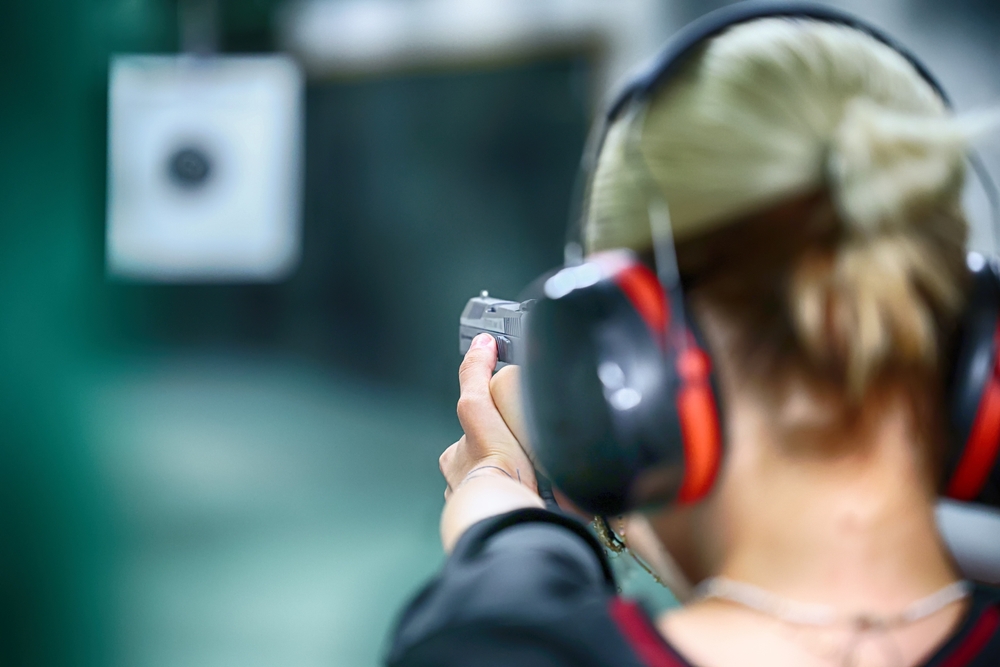
At Blackledge Training, we know that instruction quality makes all the difference. Our programs are led by experienced professionals who put firearm safety and security, clear communication, and ethical responsibility first. The qualities we covered are the standards we apply every day, so students get guidance that builds sound judgment, solid skills, and real confidence.Whether you’re here in Manchester, CT, or anywhere across the state, we’re the top choice for responsible firearm education from instructors who value professionalism and performance equally. Ready to learn in a structured, supportive environment from people who take training seriously? Reach out today and move forward with confidence.