December 2, 2025
Connecticut Multi-State Handgun Permit: Key Limitations Revealed
- Multi-state permits don’t override state-specific carry restrictions.
- No-carry zones remain off limits even with the permit.
- Use-of-force laws differ and must be understood per state.
- Transport, inform, and property rules vary across borders.
- Reciprocity and training rules can change at any time.
Carrying a firearm legally across multiple states definitely gives you some peace of mind, especially if your work sees you travel to a nearby state or you just want to be prepared wherever you go. A valid multi-state handgun permit is an easier way to keep their carry rights consistent without filling out a whole new stack of paperwork every time they cross a border. While this type of permit certainly offers expanded flexibility, it is not without its limitations. Understanding those constraints is just as important as understanding what the permit allows.
Even with a valid multi-state permit, you are still required to comply with the strictest applicable regulations at any given moment. So you’ve really got to know the laws, stay aware, and lean on the training you’ve had, because the rules shift as soon as you cross into another state. Today’s article helps you understand the limitations up front so you don’t accidentally break a rule you didn’t know about.
What restrictions come with a multi-state pistol permit?
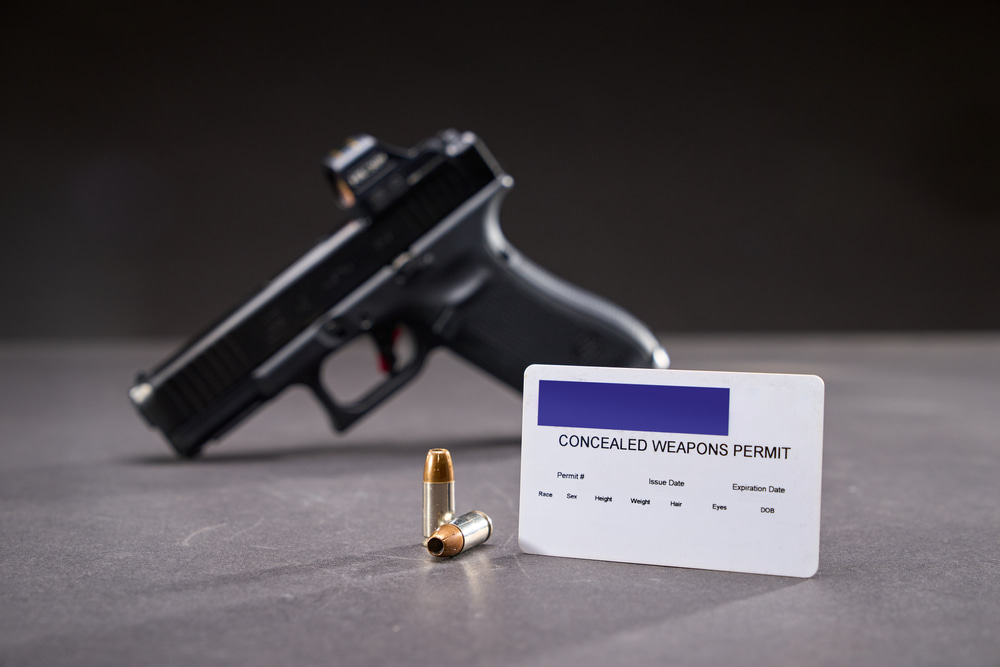
Although a multi-state pistol permit broadens your ability to legally carry, each state still has its own rules on where you can carry, when you can carry, and what’s off-limits. That doesn’t change just because you have a multi-state permit, so it’s crucial that you’re aware of the following restrictions before traveling crossing the border from Connecticut to Rhode Island or Massachusetts.
Location-based prohibitions remain fully in effect
Even with this permit, the usual no-carry spots—federal buildings, posted locations, certain state facilities—are still off limits. These often include courthouses, airports, schools, government buildings, and secured facilities. Depending on the state, places that serve alcohol or businesses with clear no-carry signs might still be a hard no, permit or not.
Each state maintains its own use-of-force standard
While your permit grants you the legal right to carry, it does not standardize self-defense laws. One state might give you stand-your-ground protection, while the next state expects you to back off if it’s safe to do so. Permit holders must study each jurisdiction’s legal standards to avoid misinterpreting their responsibilities in a defensive encounter.
Vehicle transport rules may differ
In some states, you can carry your weapon concealed in a vehicle without additional requirements, while in others, the firearm must remain secured, locked, or stored separately from ammunition. Your permit does not override these conditions, and failure to follow transport protocols can result in fines or criminal charges.
Duty-to-inform requirements frequently vary
Some states want you to tell an officer right away that you’re carrying during a traffic stop. Others have no such requirement. If you don’t know the rules and handle the stop wrong, things can get tense fast, or you could end up in trouble even though you meant to follow the law.
Private property rights can override your permit
Property owners can still tell you ‘no firearms’ if that’s their policy, and you’ve got to respect it. If they provide a written or posted notice, you must comply regardless of your permit status. Ignoring a posted no-weapons policy can lead to removal from the property or legal consequences.
Magazine capacity & firearm type laws still apply
While the permit authorizes you to carry a handgun, it doesn’t override rules on magazine limits or what types of pistols are allowed in that state. If one of the three states enforces a capacity limit or bans particular features, you must comply whenever you are within that state’s borders.
Reciprocity can change without warning
States can change their recognition agreements whenever they want, so the rules you’re following today might not be the same a year from now. Although agencies usually provide public updates, it is the permit holder’s responsibility to remain aware of the current reciprocity status.
Background compliance remains ongoing
Even after receiving your permit, any event that would typically disqualify you—such as certain arrests, restraining orders, or prohibited-use findings—must be reported if required by your issuing jurisdiction. Failure to report disqualifying events can result in suspension or revocation of your permit.
Training requirements may evolve

Certain states want you to take a refresher class or qualify again on the range when it’s time to renew. Others maintain new safety or legal training standards that could impact your eligibility in the future. And if a state updates its laws, you’re expected to follow the new rules—your permit doesn’t get you around that.
Where can I enroll for an authorized multi-state handgun permit in CT & nearby?
If you’re looking to obtain a multi-state permit for professional, hobby, or personal safety reasons, Blackledge Training is a place where professionals pass on their skills and knowledge in real-life situations. Our expertise can help you learn how to react in emergencies, navigate state laws, and become a responsible gun owner, enjoying both your freedoms and responsibilities.
Whether you want to inquire about the ins and outs of the permit training process, make sense of the paperwork you need, or learn more about the numerous benefits of a multi-state carry license, our team in Manchester, CT, will ensure you master the laws and navigate real-world situations with composure and confidence. Learn from the best, contact us today!