March 31, 2026
The Power to Save a Life: Why is CPR/AED Certification Important
- CPR/AED training enables fast action in life-threatening emergencies
- Immediate CPR can double or triple survival after cardiac arrest
- CPR maintains blood flow until EMS arrives
- Certification builds confidence to act quickly under pressure
- Refresh training every 2 years to stay updated and effective
In an emergency situation, every second counts. Whether it’s a heart attack, a near-drowning incident, or a choking emergency, immediate action can make all the difference between life and death. Cardiopulmonary resuscitation (CPR) and Automated External Defibrillator (AED) certification provide individuals with the knowledge and skills needed to respond effectively in high-stakes moments. It’s not just about knowing what to do—it’s about having the confidence to act when it’s most needed.
The importance of the CPR/AED course in CT goes far beyond basic first aid. Having the ability to administer CPR can double or even triple a person’s chance of survival before emergency medical services (EMS) arrive. In today’s post, we break down why CPR/AED certification is critical and how it can save lives.
What is the importance of CPR certification?
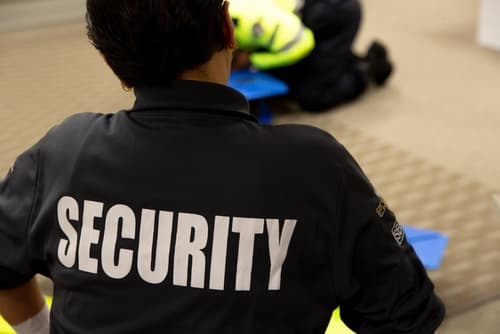
CPR and AED certification equip you with the skills necessary to perform life-saving techniques in critical situations. These certifications don’t just teach the mechanics of chest compressions or using an AED; they prepare you mentally and emotionally to respond under pressure. When a person collapses due to sudden cardiac arrest (SCA), their survival chances are highest if someone nearby is trained to help immediately. Here’s why this certification is so vital:
- Improves survival rates: Immediate CPR can double or triple the chances of survival after sudden cardiac arrest.
- Buys time until help arrives: CPR keeps blood flowing to the brain and heart until emergency medical personnel can intervene.
- Provides the confidence to act: Knowing what to do during an emergency removes hesitation and helps you take quick, decisive action.
- Helps others in a variety of emergencies: CPR skills are applicable in several emergency situations, such as choking, drowning, and trauma.
- Raises awareness and fosters preparedness: Certification promotes a culture of readiness, encouraging more people to learn life-saving techniques.
Who needs CPR certification?
While anyone can benefit from knowing CPR and using an AED, certain groups of people should consider certification as a priority. These include:
- Healthcare providers: Nurses, doctors, and emergency responders who work in hospitals or medical settings must have CPR certification to provide patient care effectively.
- Teachers and school staff: With children and staff on school grounds, teachers and administrators should be trained in CPR to handle potential emergencies.
- Athletic coaches and trainers: Coaches working with teams, particularly in physical sports, are at the forefront of dealing with potential emergencies, such as sudden cardiac events or severe injuries.
- Parents and caregivers: Those responsible for the care of children or elderly individuals will be better equipped to handle medical emergencies with CPR knowledge.
- Workplace safety officers: Employees trained in CPR can help maintain a safer work environment, particularly in industries where physical labor is common and the risk of injury is higher.
How often should I take a CPR refresher course?
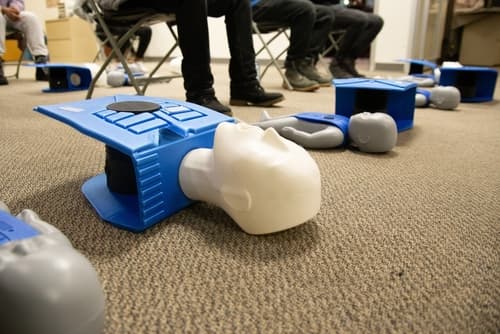
CPR and AED certifications are not permanent. Over time, guidelines and techniques can evolve, and it’s crucial to stay updated on the latest procedures. Ideally, you should take a refresher course every two years. This ensures that you are familiar with the most current CPR methods and that your skills are fresh and effective. Additionally, re-certification helps you:
- Reinforce critical knowledge: Reinforce your memory and refine the skills you may not use regularly.
- Stay updated on changes: Learn any new techniques or recommendations that have emerged since your last training.
- Boost confidence: A refresher course provides an opportunity to practice and feel more confident in using CPR in real-world situations.
Where can I enroll in a certified CPR/AED course in CT?
If you’re looking for a comprehensive CPR/AED course in Connecticut, look no further than Blackledge Training. Located in Manchester, CT, we’ll help you develop the confidence and the ability to step in and perform CPR in a critical situation. We’ll empower you to save lives and make a real difference in complicated situations when every second and decision matters.
Whether you are a healthcare professional, law enforcement official, or just a person looking to learn more about the basics of AED/CPR, get a quick training course breakdown, or enquire about certification renewal, we’re here to help. Don’t wait for an emergency, schedule your training to get certified today, and be ready to save a life tomorrow!