Category: Blog
August 4, 2025
Becoming a Surety Bondsman in CT: Eligibility & Prerequisites
- Dynamic work environment with unique challenges
- Understanding of the law, communication skills, and attention to detail are necessary
- Clean financial and criminal background records are required to be eligible
- Heavily regulated but rewarding career choice that is subject to state laws
- 25-hour surety bail bond pre-license course is necessary to take this career path
Becoming a surety bail agent is a challenging yet rewarding decision, and the responsibilities and duties you take on play a key part in the criminal justice system. But before taking your first steps in this fast-paced, profitable, and dynamic field, it’s important to understand the eligibility and prerequisites for a successful bail bonding career.
In this guide, we’ll walk you through some of the key qualities, education, and licensing you should know about, as well as how to get started on your surety bondsman pre-license course in CT. As is usually the case, knowledge makes all the difference. With that said, let’s dive in!
What does it take to be a surety bondsman in CT?

Pursuing a career as a bail bond agent involves navigating a field filled with unique and dynamic challenges. On top of that, providing bail bonds to arrestees is a strictly regulated profession. Various state-specific laws and requirements shape how agents conduct their work, and the state of Connecticut has its own set of license requirements. Fortunately, with this basic guide to get you started and the course our instructors provide, embarking on this career will be effortless.
Let’s take a closer look at what you might need as you step into the world of bail bonding:
1. Skills and qualities
Thanks to the nature of this line of work, potential bail agents need to be armed with the following skills to stay on top of challenges ahead:
- Legal understanding: A bail agent must be well-versed in the legal framework. This includes court procedure, state regulation, and legal principles that govern bail bonding agreements.
- Clear communication: This is rather important, especially for explaining complex bond terms to clients who are unfamiliar with the practice. Bondsmen must negotiate terms with the obligees and coordinate with surety companies, courts, and government agencies.
- Attention to detail: Each document, contract, and application has to be thoroughly reviewed. A small error can lead to financial loss, legal disputes, and denials.
- Decision making: Assessing risk, analyzing background history, and business understanding are very important to ensure the bail company and the bondsman’s success.
- Time management: This profession carries inherent multi-tasking challenges. From keeping track of different deadlines to handling multiple clients at once.
2. Eligibility
As you start your journey in this career, the first thing you should consider is your eligibility. Before taking any pre-license courses and tests, you should make sure to be at least 18 years of age and a citizen of the United States with a clean criminal and financial background.
3. Pre-license education and license test
The next step on your journey is to take a 25-hour surety bail bond pre-license course. This educational course is offered by several approved providers in the state, including Blackledge Training. After you have completed your course, the next step is to get in contact with Pearson VUE to schedule your license test.
4. Online license application
After you have passed the licensed test, it’s time to apply through the National Insurance Producer Registry, or simply NIPR for short. Your new license comes with a $250 price, however.
It’s also important to remember that you have to upload your pre-license course certificate of completion along with your application. Additionally, any documents related to “Yes” answers must be submitted to the online warehouse at the time of application. Failure to do so might result in rejection. Of course, this step might be complex, and for full necessary documentation, don’t hesitate to reach out to our instructors.
5. Things to keep in mind

Once you have your license, look into surety insurance companies to set an appointment with. Issuing bonds without backing will be subject to administrative actions. On top of that, keep in mind that your license needs to be renewed every two years. Making sure that your practices are aligned with local state laws is important for a successful, spotless career.
Who provides a comprehensive surety bondsman pre-license course near me in CT?
At Blackledge Training, our wealth of knowledge and expertise is at your disposal. With some of the finest and most dedicated instructors in the state, your journey through our pre-license course will be supported by seasoned professionals and experts in the field, ensuring that your bail bond career is backed by the highest standards of education. We are also proud to say that our 25-hour Bail 102 course is fully approved by the Connecticut Insurance Department. Enroll in our classes and launch your bail bonding career in Manchester and all across Connecticut today!
August 4, 2025
Surety Bondsman 101: Role & Job Description
- Surety bondsmen guarantee that parties in a contract with fulfill their obligations
- They mitigate risk and ensure trust in high-risk situations
- Different types of bonding exist, from business licensing to bidding bonds
- Bail bondsmen guarantee that the arrestee won’t flee from the legal process
- Professional regulations and licensing vary from state to state
The role of a surety bondsman in CT is indispensable, whether it’s a construction project, court bail bonds, or licensing requirements. They guarantee that a party will fulfill contractual obligations, ensuring trust in high-risk situations. Surety bonding is an essential practice in various industries, especially when large sums of money are involved.
With this guide that addresses the role and responsibilities in this profession, you’ll understand the basics and how bonding works.
What does a surety bondsman do?

In essence, these licensed professionals are parties in a three-way agreement that ensures a contract is fulfilled. This plays a crucial role in helping individuals and businesses fulfil legal or contractual obligations, whether it’s surety companies ensuring business obligations are met or bail bondsmen guaranteeing that the arrestee won’t flee from the legal process.
Three-party agreement
To understand surety bonds, let’s take a look at the three-party agreement that they’re part of. In simple terms, it’s a legally binding financial agreement between:
- Principal: An individual or business entity that requires the bond. Examples include a contractor, legal defendant, or business owner.
- Obligee: The entity that requires the bond to ensure obligations are met. It could be government agencies, private businesses, or in rare cases, individuals.
- Surety: The company or agent that provides the bond and guarantees the principal’s performance.
If the principal fails to meet their obligations, the loss is covered by the surety. However, unlike insurance practices, the principal is expected to repay the surety for covering the losses for them.
Roles and responsibilities
As licensed professionals, they work with a surety company to provide these financial guarantees and ensure trust in parties that require them. Their role entails evaluation of risk, bond issuing, fee collections, and ensuring that obligations to the bond are fulfilled. When it comes to legal matters and criminal law, this person is often referred to as a bail bondsman.
Regulation and licensing

Before getting into this field, it’s important to make sure that a potential surety agent meets specific criteria and qualifications. The legal principles that govern this line of work are subject to local state laws. Prerequisites and licensing in the state of Connecticut might be vastly different from other states. While some states heavily restrict or ban bail bonding, surety bonding is practiced across the United States.
Different types of bonds explained
Various situations might require you to have different types of bonds in place. Some of these situations include:
- Business licenses: Many professions require a license and permit bonds to ensure that businesses will pay taxes, follow regulations, and operate ethically.
- Construction projects: Public agencies and private developers require construction companies to bond to guarantee work will be completed and subcontractors paid.
- Judicial bonds: Often, courts require judicial bonds to ensure a party will follow legal obligations and orders.
- Bail bonds: If a bail is set during arrest, bail bondsmen can pay for bail and guarantee appearance at court proceedings.
- To build trust: Even if there are no legal requirements, many businesses voluntarily choose bonding to show their practices are trustworthy, reliable, and professional.
Where to find a pre-license course for a surety bondsman career near me in CT?
If you’re looking to get your surety bail bonding career in criminal justice, Blackledge Training is an ideal choice to get your pre-license course. It’s important to mention that our detailed 25-hour Bail 102 course is fully approved by the Connecticut Insurance Department, and our instructions will help you explore and learn about the legal framework, risk assessment, and effective communication.
With leading experts in the field providing guidance, comprehensive knowledge, and on-field experience, your bail bond agent career in Hartford or any other part of Connecticut will be launched with top-grade educational standards to help you later on and prepare you for this profession. Enroll today!
July 3, 2025
How to Build a Long-Term Career in Private Security
A career in private security can offer long-term stability, professional growth, and the opportunity to take on increasingly challenging roles. It all starts with a strong foundation, like completing firearms security training in CT, but staying in the field and moving up requires more than initial certification.
You’ll need to stay sharp, pursue continued training, and understand how to position yourself for advancement. In this article, we’ll explore the key steps that help security professionals build a future in the industry with purpose and direction.

How do I further my career in security?
Making security your long-term profession means thinking beyond the next shift or paycheck. It’s about setting goals, investing in yourself, and understanding what employers value over time. Below are the practical steps and mindsets that help transform a security position into a lasting, rewarding career.
Start with the right training
Every strong career begins with solid groundwork. Enrolling in a reputable program like security training gives you more than just a certificate. It gives you the confidence, skills, and situational awareness to perform professionally from day one. Quality training also shows employers you’re serious about your role and committed to safety, law, and procedure. Choose a program that balances hands-on instruction with legal education, scenario-based learning, and an emphasis on real-world readiness.
Master the fundamentals and keep sharpening them
Being consistent in the basics is what separates reliable professionals from the rest. That means knowing how to handle your equipment properly, writing clear incident reports, maintaining a professional presence, and communicating effectively. Over time, continue to revisit and refine these skills through refreshers or advanced training modules. In private security, small details add up to big impressions.
Pursue specialized skills
If you want to move up, get noticed, or increase your pay, expanding your capabilities is essential. Look into training for armed positions, executive protection, surveillance, or even cybersecurity awareness. The more you can do, the more valuable you become, and not just to your current employer, but to future opportunities. Specializing also makes the work more interesting and gives your career direction.
Build a professional reputation
Show up early. Be dependable. Treat people with respect. In the world of private security, your word and your work ethic go a long way. Supervisors and clients notice guards who stay calm under pressure, follow procedures, and communicate well with others. Over time, this reputation opens doors to better roles, recommendations, and leadership positions.
Stay informed and stay certified
The industry evolves. Laws change. Equipment updates. To keep up and stay relevant, commit to continuing education. Renew your licenses and certifications on time, attend workshops, and stay engaged with state guidelines or agency updates. Being known as someone who’s current and compliant helps you avoid career roadblocks and ensures you’re always ready for the next opportunity.
Where can I enroll in the best firearms security training in CT?

At Blackledge Training, we’re committed to helping security professionals build lasting and meaningful careers through hands-on instruction and industry-focused education. Our programs go far beyond firearms security training, emphasizing real-world skills like de-escalation tactics and situational awareness under pressure.
With experienced instructors, state-of-the-art facilities, and a curriculum shaped by real security challenges in Connecticut, we prepare you to get certified, stay safe, act responsibly, and avoid the common mistakes that can derail a promising career. Whether you’re starting out or ready to level up, we’re here to support your path every step of the way!
July 3, 2025
Dealing With Confrontation Without Escalation as a Security Guard
Confrontation is an inevitable part of security work, but how you respond can determine whether a situation calms down or spirals out of control. The ability to manage tense encounters without resorting to force is one of the most valuable skills a security guard can develop.
While CT firearms security training teaches you how to handle a weapon responsibly, knowing when not to use it, and how to defuse a situation with words and body language is just as critical. In this article, we’ll break down effective techniques for handling confrontation calmly, professionally, and without escalation.

How to de-escalate as a security guard?
When you’re in uniform, people see authority, and sometimes, they push against it. But force isn’t your only tool. In fact, knowing how to keep situations from escalating in the first place is what separates a competent guard from a great one. De-escalation means controlling confrontation, redirecting it, and resolving it without making things worse. Below are the techniques and habits that help security guards manage tense encounters professionally and safely, without letting them spiral out of control.
Lead with presence, not pressure
Your appearance, posture, and energy often speak louder than your words. If you approach someone already looking combative (crossed arms, squared shoulders, rigid stance), you’ve already put them on the defensive. On the flip side, a calm, upright, but non-threatening posture sends the message that you’re alert, capable, and in control, but not looking for a fight. Keep your hands visible, maintain steady eye contact, and avoid sudden movements. You’re not there to intimidate – you’re there to stabilize.
Talk like a human, not a badge
Too many guards default to authority-based language – commands, ultimatums, clipped phrases. But escalation often starts when someone feels disrespected or backed into a corner. Use everyday, respectful language. Speak clearly and calmly. Start by identifying yourself and asking for the person’s name. This instantly makes the exchange more personal and less confrontational.
Don’t rush to fill the silence
People under stress don’t always respond instantly, and that’s okay. One common mistake is jumping in too fast, piling on questions or pushing for answers. This can trigger more agitation. Give space for responses. Use pauses intentionally. Let them breathe, think, and react. Often, slowing the pace is exactly what defuses the tension.
Validate without agreeing
You can acknowledge someone’s frustration without endorsing bad behavior. Saying things like “I see this is upsetting” or “I understand this isn’t what you expected” shows empathy, not weakness. It makes the person feel heard, which often brings their emotional level down. This doesn’t mean you’re taking sides – it means you’re building trust, even if only temporarily.
Have an exit strategy
Not every situation ends with a neat resolution. If someone refuses to cooperate, starts showing signs of aggression, or the tone shifts rapidly, you need to know when to back off and bring in support. That’s not failure, that’s smart. De-escalation also means protecting yourself and others by recognizing when verbal tactics aren’t enough.

Where in CT can I find the best firearms security training?
Managing conflict without escalation is a skill that takes training, awareness, and real-world practice, and it’s one of the cornerstones of our programs at Blackledge Training. Our training courses in Manchester don’t just cover the technical side of carrying a weapon – it also prepares you to assess threats, communicate under pressure, and make decisions that keep situations under control.
With guidance from seasoned instructors and a curriculum built for today’s challenges, we help you build a foundation for a long, successful career in the security field. Enroll today!
June 4, 2025
6 Common Mistakes Armed Guards Make and How to Avoid Them
Carrying a firearm on the job comes with a level of responsibility that leaves little room for error. Armed guards are expected to stay calm under pressure, act with precision, and follow strict protocols at all times, but even seasoned professionals can fall into bad habits. Whether it’s becoming too comfortable on the job or skipping critical steps under stress, small mistakes can lead to major consequences. That’s why proper firearm safety training in CT is essential, not just at the beginning of your career, but throughout it. In this article, we’ll break down some of the most common mistakes armed guards make and how you can avoid them to stay sharp, safe, and professional.

What are the mistakes of security guards?
Even the most experienced guards can develop blind spots over time. From small oversights to risky habits, here are some of the most common mistakes armed security professionals make – and how to avoid them:
1. Complacency on the job
One of the most common pitfalls for armed guards is becoming too comfortable. When you’re assigned to the same post day after day, it’s easy to let your guard down, especially if nothing ever seems to happen. But the nature of security work is unpredictable. Just because a post seems quiet doesn’t mean it’s risk-free. Complacency can lead to missed warning signs, delayed reactions, or even complete inaction when something does go wrong. The key is to treat every shift as a fresh scenario. Keep your awareness high, follow procedures thoroughly, and remember that predictability can change in an instant.
2. Poor firearm handling habits
Even those with years of experience can slip into bad firearm habits. Neglecting the basics, like keeping your finger off the trigger until you’re ready to fire, can have serious consequences. Accidental discharges or mishandling don’t just put you at risk, they endanger everyone around you.
These mistakes often happen because guards assume they’ll “know what to do” in the moment. The reality? You’ll do what you practice. That’s why regular training and refresher drills are so important. Safe handling should be muscle memory, not something you think about only when it’s time to qualify.
3. Overreliance on the weapon
A firearm is a powerful tool, but it’s not the answer to every problem. Some guards fall into the mindset that carrying a weapon means they need to use it to assert control. This can lead to unnecessary escalation or even misuse of force. A strong presence, clear communication, and de-escalation skills are often far more effective than reaching for your firearm. Your job is to maintain safety, not to intimidate or escalate. Knowing when not to use force is just as important as knowing how.
4. Lack of situational awareness
Being armed doesn’t help if you don’t see a threat coming. Situational awareness is the ability to read your environment, pick up on potential danger, and anticipate movement before it happens. Many guards lose this edge by falling into tunnel vision and focusing too much on a single individual or letting distractions take over. To stay safe, you have to stay alert. That means constantly scanning your surroundings, identifying exits and cover points, and keeping an eye on anything that seems out of place.
5. Skipping equipment checks
A malfunctioning firearm or dead radio is a liability. Unfortunately, some guards start their shift without checking their equipment, assuming everything is “good enough.” That’s a gamble you can’t afford to take. Before every shift, inspect your firearm, confirm your holster is secure, test your communication devices, and make sure your gear is positioned where it should be. A few minutes of preparation can save you from a critical failure when it counts most.
6. Neglecting physical and mental fitness
Security work is demanding, and not just physically, but mentally. Poor conditioning or unmanaged stress can slow your response time, cloud your judgment, and increase the risk of mistakes. Staying fit doesn’t mean you need to be an athlete, but regular movement, good sleep, and basic nutrition go a long way. Just as important is managing the mental toll of the job.
Armed guards regularly deal with tense or confrontational situations, and without proper stress management techniques, it’s easy to burn out. Taking care of yourself isn’t a luxury, it’s part of your job.

Where can I find the best firearm safety training in CT?
Building a career in private security takes discipline, awareness, and the right training to back it up. At Blackledge Training, we prepare you for every aspect of the job, from firearm safety and tactical decision-making to communication and professional conduct.
Our hands-on courses are designed to help you avoid common mistakes, stay confident under pressure, and advance in a career built on skill and responsibility. Get in touch with us today and enroll in a program in Manchester designed to move your security career forward!
June 4, 2025
The Role of Situational Awareness in Armed Security Work
Staying alert isn’t just part of the job for armed security – it is the job. The ability to detect subtle changes in your surroundings, recognize potential threats before they escalate, and respond appropriately is what sets a well-trained guard apart from a passive observer. This skill, known as situational awareness, is one of the most critical components of effective security work, especially when carrying a weapon.
While firearm training in CT teaches you how to handle and operate your weapon, situational awareness teaches you when to act and how to avoid pulling the trigger in the first place. In this article, we’ll explore why situational awareness is so vital for armed security professionals and how it can be developed, sharpened, and maintained throughout your career.

What is situational awareness in security?
Situational awareness is the ability to observe, assess, and interpret your environment in real-time, recognizing potential threats before they become active problems. For armed security personnel, it’s not just about noticing something is off – it’s about staying ahead of it. It means constantly processing information like body language, location layout, patterns of behavior, and even subtle environmental shifts that might signal danger.
Why it’s critical when you’re armed
Carrying a firearm comes with increased responsibility. Every situation you step into carries the risk of escalation, and it’s your job to prevent that wherever possible. Situational awareness reduces your reliance on force by allowing you to identify warning signs and intervene early – before things spiral. It also keeps you from becoming complacent during routine tasks like patrols or access control. Armed guards must maintain a constant state of readiness, and that starts with knowing exactly what’s going on around them at all times.
Common situational awareness failures (and how to avoid them)
Even experienced professionals can make mistakes when they let their guard down. Here are a few frequent errors:
- Tunnel vision – Focusing too hard on one person or area while missing what’s happening elsewhere.
- Overconfidence – Relying too heavily on equipment or prior experience without staying alert in the moment.
- Complacency in familiar settings – Dropping your vigilance in environments you know well can be dangerous.
- Distractions – From smartphones to conversations, anything that takes your attention off your surroundings reduces your effectiveness.
Avoiding these pitfalls means adopting a mindset of constant scanning, mentally rehearsing possible outcomes, and always assuming the unexpected can happen.
How to build and maintain situational awareness
Situational awareness isn’t just a switch you flip, it’s a discipline you build. Here’s how:
- Conduct frequent mental check-ins – Regularly ask yourself: What’s changed? Who’s new? What doesn’t feel right?
- Study your environment – Know your patrol route, your exits, your blind spots, and high-risk zones.
- Train your peripheral awareness – Practice noticing what’s happening at the edges of your vision while staying focused.
- Debrief yourself after shifts – What did you miss? What could’ve been handled differently? Self-reflection is key to improving.

Where can I enroll for the best firearm training in CT?
A successful, long-term career in armed security requires the mindset, awareness, and discipline to make the right decisions under pressure. At Blackledge Training, our programs go beyond technical firearm training to focus on real-world readiness, including situational awareness, ethical conduct, and threat assessment.
Our expert instructors in Hartford County teach you how to stay sharp in unpredictable environments and respond with confidence, not hesitation. Enroll today!
May 9, 2025
Professional Ethics for Security Guards

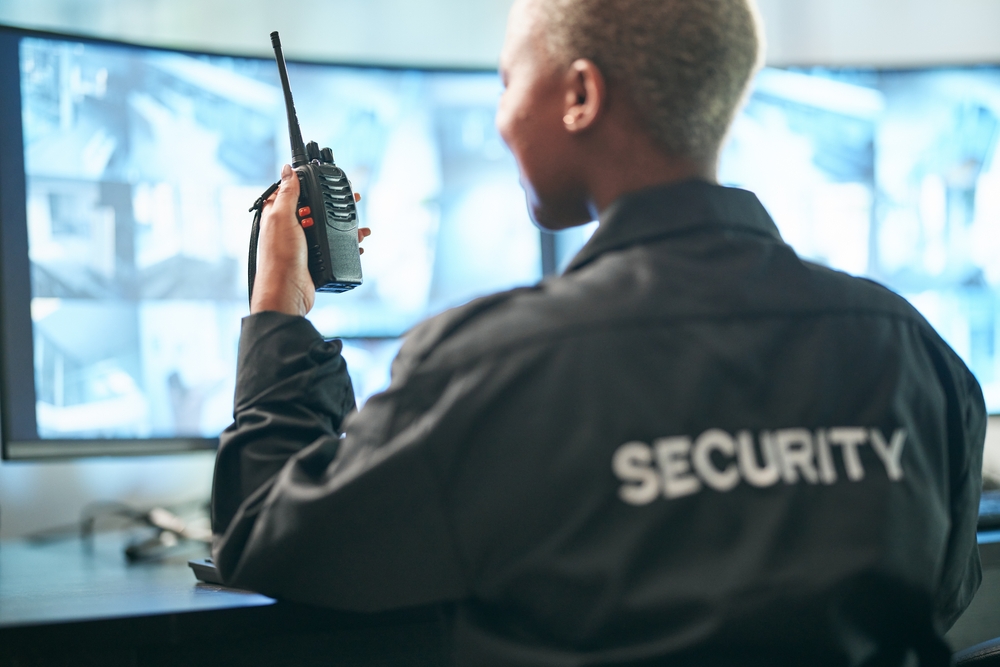
Being a security guard isn’t just about presence – it’s about principles. Whether you’re monitoring a quiet property or responding to a high-stakes situation, the decisions you make reflect directly on your professionalism and integrity. That’s why professional ethics are a core part of every Security Officer Certification program in CT.
Understanding how to act responsibly, fairly, and within legal limits is not only important – it’s expected. In this article, we’ll explore what professional ethics look like in the security field, why they matter, and how they guide day-to-day actions that build trust and credibility on the job.
Why are professional ethics important for security guards?
Security guards often work in positions of authority and trust, representing not just their employer but the public’s sense of safety. Their decisions can de-escalate a tense situation, or make it worse. Ethical behavior ensures guards act with fairness, responsibility, and respect, no matter the scenario.
Whether dealing with aggressive individuals, protecting private property, or reporting incidents, guards must remain impartial, lawful, and composed. A solid ethical foundation helps prevent misconduct, builds trust with the public, and protects the reputation of both the guard and the security company they represent.
What are the core ethics security guards should follow?
While every job site is different, there are key ethical principles that apply across the board. These form the backbone of professional conduct in the security industry:
- Integrity: Security guards must be honest in all aspects of their work, reporting incidents accurately, avoiding shortcuts, and never abusing their authority. Integrity builds trust not only with employers and clients, but also with the public, who rely on guards to uphold safety and fairness without compromise.
- Accountability: Guards are responsible for their actions. Owning mistakes, following procedures, and knowing when to escalate an issue to a supervisor is part of acting professionally. Accountability also means accepting feedback and continually improving to meet the expectations of the role.
- Confidentiality: Information gained on the job about people, property, or events should never be shared inappropriately. Security guards are expected to respect privacy at all times.
- Neutrality: Guards must remain impartial, even in emotionally charged situations. Personal opinions, biases, or relationships should never interfere with how they enforce rules or handle incidents. Consistent neutrality helps avoid favoritism and ensures every individual is treated fairly under the same standards.
- Respect for rights and law: Whether detaining a suspect or diffusing a verbal altercation, actions must always respect the legal rights of others. Excessive force, discrimination, or harassment are clear ethical violations. Guards must be well-versed in relevant laws to avoid overstepping legal boundaries during enforcement.
- Appropriate use of force: If force must be used, t must be justified, proportionate, and in line with legal guidelines. This is why training on use-of-force policies is a critical part of any security officer’s ongoing education. Making the right call in high-pressure moments is essential to maintaining both safety and legal compliance.
Where can I get my security guard certification in CT?
Security work requires sound judgment, composure under pressure, and a strong ethical compass. That’s why our program at Blackledge Training focuses on developing well-rounded professionals.
From learning real-world stress management techniques to personal safety strategies, our courses prepare you for every aspect of the job. With guidance from experienced instructors in Manchester, you’ll gain the tools to act with confidence, stay safe, and uphold the highest standards of professional conduct on every shift.
May 9, 2025
9 Personal Safety Tips for Security Guards

Before you enroll in a security officer training class in CT, it’s important to understand that protecting others starts with protecting yourself. Security guards are often the first to respond to emergencies, diffuse volatile situations, and patrol unpredictable environments – making personal safety a top priority on the job.
But staying safe isn’t just about having the right gear or standing tall; it’s about awareness, preparation, and smart habits that reduce risk while on duty. In this article, we’ll cover practical personal safety tips every security guard should know, whether you’re just starting out or already on the job.
What safety precautions should a security guard take?
Being a security guard means putting yourself in situations where risks are part of the job. But there’s a big difference between taking a calculated risk and being unprepared. The tips below are designed to help you stay safe, alert, and one step ahead – no matter what your shift throws at you:
1. Always be aware of your surroundings
Situational awareness is one of the most important skills a security guard can develop. Constantly scan your environment for anything unusual, vehicles, individuals loitering, blocked exits, or changes in routine behavior for example. Knowing what should be happening helps you instantly spot when something’s off.
2. Trust your instincts
If something doesn’t feel right, it probably isn’t. Your instincts are often your first line of defense. Whether it’s a suspicious person or a potential setup, taking a cautious step back or calling for backup is never a bad move.
3. Keep a safe distance
Maintaining space between yourself and others, especially in tense situations, gives you room to react if things escalate. Always stand at an angle rather than directly in front of someone – it allows you to move quickly and reduces your exposure.
4. Don’t skip your pre-shift checks
Before every shift, check your equipment: flashlight, radio, protective gear, and if applicable, non-lethal tools like pepper spray or batons. Make sure everything works and is easily accessible. A malfunctioning radio or forgotten tool can put you at risk when it matters most.
5. Use the buddy system when possible
If you’re working a large area or responding to a potential threat, call for another guard or supervisor to join you. Having backup improves safety and shows a stronger presence, which can deter aggression.
6. Know the exits and safe zones
In any building or property you’re securing, you should know the fastest exit routes, safe rooms, and areas with surveillance coverage. In case of emergency, you’ll need to act fast, knowing your environment saves time and lives.
7. Communicate early and often
Let others know where you are and what you’re doing, especially if you’re stepping into a situation that could become dangerous. Keep your radio charged and your phone on you, because a quick update could be the key to getting help when you need it most.
8. Stay calm under pressure
Stress is part of the job, but how you manage it can determine the outcome of a situation. Take deep breaths, speak clearly, and keep your tone calm even when tensions rise. These small actions can prevent escalation and protect you in the process.
9. Invest in continued training
The learning doesn’t stop after you finish your security guard course. Ongoing training in defensive tactics, de-escalation, emergency response, and personal safety strategies will keep your skills sharp and your confidence high.

Where can I enroll in a security officer training class in CT?
At Blackledge Training, we prepare security guards in Fairfield County and across the state to handle real-world challenges with confidence, skill, and integrity. Our classes cover everything from personal safety and situational awareness to the responsible use of force and legal compliance.
But just as important, we emphasize professional ethics – because knowing how to act is just as vital as knowing when to act. With hands-on training, expert instructors, and a curriculum built around today’s security demands, we help you stay sharp, stay safe, and stand out in the field. Enroll today!
April 4, 2025
Navigating the Use of Force for Security Guards
Understanding and appropriately applying the use of force is a critical skill for every security guard. It is not just about ensuring safety; it’s also about operating within the bounds of legality and ethics in high-pressure situations. For security personnel, especially those undergoing or considering a security officer certification class, mastering the use of force protocols is essential.
This article will explore using force as a security guard, highlighting the importance of rigorous training, situational awareness, and adherence to strict legal standards. We’ll dive into the nuances of different scenarios where force may be necessary and provide guidance on how to make these crucial decisions responsibly.

What does use of force mean in security?
For security guards, the decision to use force is not taken lightly. It requires a deep understanding of both the practical and ethical implications. Here’s what every security guard needs to know:
Understanding use of force continuum
The use of force continuum is a framework used by security professionals to determine the appropriate level of force in various situations. This model helps guards assess the threat and respond with a level of force proportional to the threat. Training in this area includes recognizing non-verbal cues, evaluating the intensity of the threat, and selecting the appropriate response, whether it’s verbal persuasion, physical restraint, or, in extreme cases, the use of weapons.
Legal and ethical considerations
Every security guard must be well-versed in the legal guidelines governing the use of force. These guidelines vary by jurisdiction but generally require that any force used must be reasonable and necessary given the circumstances. Ethical ethical standards to ensure guards understand their responsibilities also play a crucial role, as it guides professionals in making decisions that respect the rights and dignity of all individuals involved..
Scenario-based training
One of the most effective ways to prepare security guards for real-life situations is through scenario-based training. This type of training involves simulated environments where guards can practice responding to various threats. These scenarios help develop quick decision-making skills, improve judgment under pressure, and provide practical experience in applying the use of force continuum.
Communication skills
Effective communication is often the first line of defense in de-escalating potentially volatile situations. Security guards need to be trained in conflict resolution and negotiation techniques that can preempt the need for physical force. The ability to calm an agitated individual through dialogue can prevent situations from escalating, reducing the need to resort to physical interventions.
Regular updates and continuing education
Laws and best practices related to the use of force can evolve, so it’s important for security guards to engage in continuous education. Regular training updates help guards stay informed about new legal requirements, emerging technologies in security, and advanced tactics in personal defense and use of force.
Personal safety and equipment training
Finally, guards must be trained in the correct use of personal safety equipment and defensive tools, such as batons, pepper spray, and, where applicable, firearms. Understanding how and when to use these tools is crucial for ensuring the safety of the guard and others. This training also includes proper maintenance and handling of equipment to ensure it functions correctly when needed.

Searching for the best security officer certification class? You’ve come to the right place!
Here at Blackledge Training, we don’t just hand out certifications – we prepare you for real-life situations where split-second decisions matter. Our classes in Hartford County go beyond the basics, giving you solid training on the use of force and situational judgment.
You’ll train with experienced instructors, run through live scenarios, and even learn how to manage stress so it doesn’t manage you. If you’re ready to level up your skills, stay sharp under pressure, and protect yourself and others the right way – this is where you start!
April 4, 2025
Stress Management Techniques for Security Guards
If you’re getting ready to obtain your security officer certificate or already working as a security guard, you know it involves more than just monitoring premises and ensuring safety. It also encompasses handling high-pressure situations that can be mentally and emotionally taxing. From managing emergency incidents to dealing with confrontational individuals, the stress experienced by security personnel can accumulate, impacting their health and job performance.
Recognizing and managing this stress is not just crucial for the wellbeing of the guards but also for maintaining the effectiveness and professionalism of their service. In this article, we explore practical stress management techniques tailored specifically for security guards. These strategies are designed to help guards cope with the unique challenges of their roles, enhancing their resilience and ensuring they remain alert and responsive on the job.

How stressful is being a security guard?
Security guards often face situations that can be highly stressful, including managing conflicts, responding to emergencies, and maintaining vigilance over long shifts. Effectively managing this stress is essential not only for personal health but also for maintaining professionalism and effectiveness in the workplace. Here are some practical techniques security guards can use to manage and mitigate stress:
Regular physical activity
Engaging in regular physical exercise is one of the most effective ways to combat stress. Activities like walking, running, or team sports can help release pent-up energy and produce endorphins, the body’s natural stress relievers. Security guards can incorporate exercise into their routines either before or after shifts, or even during breaks with quick stretches or brisk walks.
Mindfulness and meditation
Practicing mindfulness and meditation can significantly reduce psychological stress and anxiety. These practices help focus the mind and reduce the tendency to ruminate on the stresses of the job. Security guards can benefit from meditation during their breaks or in their personal time, using guided sessions through apps or short, focused breathing exercises that can be done anywhere.
Proper sleep and rest
Adequate sleep is crucial for stress management. Security personnel, especially those working night shifts, should prioritize getting enough rest. This might involve creating a dark, quiet, and comfortable sleeping environment during the day, using sleep aids like blackout curtains or white noise machines, and maintaining a regular sleep schedule to regulate the body’s internal clock.
Healthy eating habits
Nutrition plays a significant role in how the body handles stress. Guards should strive to maintain a balanced diet rich in fruits, vegetables, lean proteins, and whole grains, which can help stabilize mood and improve overall energy levels. Avoiding excessive caffeine and sugar, especially during night shifts, can also prevent crashes and mood swings.
Effective time management
Managing time effectively can help reduce job-related stress by preventing situations where you feel overwhelmed or under pressure. This can include planning shifts properly, managing break times efficiently, and allocating specific times for routine tasks. Using organizational tools such as apps or planners can also aid in keeping track of duties and responsibilities.
Seeking support
Talking about stressful experiences with peers, supervisors, or professional counselors can make managing stress easier. Many security companies offer support programs, or access to counseling services, recognizing that mental health is as important as physical health in ensuring their employees’ effectiveness and satisfaction.

What’s the best place to get my security officer certificate?
At Blackledge Training, we’re committed to supporting security guards in mastering the tactical aspects of their roles and the essential skills needed for personal and professional excellence. Our training programs emphasize the importance of ethical behavior on the job, the correct use of force, and a variety of personal safety tips to ensure you can perform your duties safely and effectively.
With our experienced instructors and comprehensive courses, we provide you with the tools and knowledge necessary to manage stress and navigate the challenges of the security field responsibly across Connecticut. Enroll in our training sessions today!