July 31, 2026
Bail Enforcement Agent Safety: Decision-Making, Communication & De-Escalation
- Effective bail enforcement depends on preparation, communication, and careful decision-making.
- De-escalation techniques can help reduce unnecessary conflict and improve safety.
- Professionals rely on judgment and communication skills, not just equipment or authority.
- Firearms training is only one part of becoming a responsible bail enforcement agent.
- Understanding legal responsibilities and maintaining control are essential parts of BEA work.
When people think about this bail enforcement work, they often picture high-pressure situations where quick decisions must be made. While the profession can involve challenging circumstances, successful professionals rely on preparation and communication rather than unnecessary confrontation. Proper training helps future experts understand how to approach situations responsibly while protecting themselves and others.
A bail enforcement agent firearms certification program is one important part of professional development, but it should be combined with legal knowledge, communication skills, and the ability to recognize when slowing down is the safest option. Read on to learn important techniques used in the bail enforcement field.
Most of what people picture when they hear “bail enforcement” comes from TV, where the job runs on confrontation. The actual work leans much heavier on preparation, verbal control, and reading when to hold position instead of forcing one. That’s why a well-run program for bail enforcement agent firearms certification covers range time, but also builds the judgment that keeps a firearm holstered when the situation allows for it.
Let’s explore those core skills that shape day-to-day BEA work.
What are the de-escalation techniques used by law enforcement?
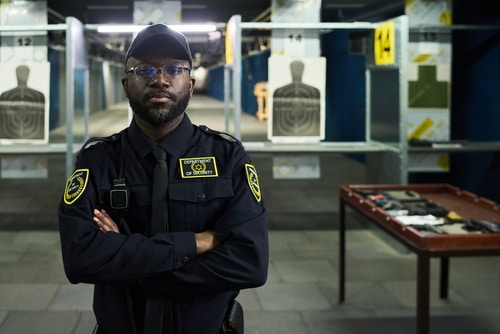
These are strategies designed to reduce tension, encourage cooperation, and prevent situations from becoming more difficult than necessary. While BEAs and officers have different roles and responsibilities, many communication principles used by public safety professionals can also help BEAs handle interactions more effectively.
The most important element of de-escalation is understanding that every situation requires assessment. There is no single approach that works in every circumstance. Consider the environment, the people involved, available information, and potential risks before deciding how to proceed.
Clear communication helps prevent misunderstandings
One of the most effective ways to reduce tension is through calm and professional communication. A person who feels confused, threatened, or overwhelmed may react differently than someone who understands what is happening and why.
Using a clear tone, explaining information when appropriate, and avoiding unnecessary arguments can help create a more controlled interaction. Professionals understand that communication is not a sign of weakness. It is a tool that can improve safety and reduce confusion.
Active listening can improve cooperation
Listening is another important part of de-escalation. People often become more defensive when they believe they are not being heard. Allowing someone to speak, acknowledging concerns, and gathering information can provide valuable insight into the situation.
Active listening does not mean agreeing with every statement or changing professional responsibilities. Instead, it helps experts better understand the circumstances and make more informed decisions.
Maintaining distance and awareness matters
Physical positioning plays an important role in safety. Maintaining appropriate distance, being aware of surroundings, and avoiding unnecessary escalation can provide more options if a situation changes.
Good decision-making begins before a conversation even starts. Consider the location, potential exits, other individuals nearby, and any factors that could affect safety.
Knowing when to slow down
Rushing can create additional risks. Professionals understand that patience and planning often lead to better outcomes. This is one reason why common myths about BEAs should be addressed during training. Real BEA work is not based on dramatic confrontations. It requires discipline, preparation, and the ability to make responsible choices under pressure.
Training builds better judgment
De-escalation is not something that exists separately from other parts of BEA education. It connects with legal knowledge, communication, physical skills, and safety procedures.
Having an in-depth understanding of criminal justice and weapons gives students a more complete view of the responsibilities involved in the profession. Each area of training supports the others by helping professionals understand not only what tools are available but also when restraint and careful judgment are necessary.
Gun knowledge requires responsibility

A weapon is a serious responsibility, and professional training emphasizes that possession alone does not determine readiness. It’s important to understand safe handling procedures, legal limitations, and the importance of avoiding unnecessary risks.
Students preparing for the profession undergo BEA weapons qualification, teaching them safety instruction, range procedures, and the importance of demonstrating control and accountability throughout the process. Qualification is not simply about accuracy. It is about showing that an individual can handle a gun responsibly while following established procedures.
Professionalism extends beyond training
A successful BEA must combine multiple skills. Communication, awareness, documentation, legal understanding, and emotional control all contribute to safer outcomes.
The best professionals recognize that every situation is different. They gather information, evaluate circumstances, and choose the approach that supports safety and responsibility. Confidence comes from preparation, not from ignoring potential challenges.
Where do I look for reputable bail enforcement agent firearms certification in Connecticut?
Blackledge Training prepares future BEAs for the parts of the job that don’t get shown on screen, including reading situations, using communication as a first tool, and knowing when a firearm stays holstered. Whether you’re near the Connecticut State Capitol or working out of another part of the state, our courses cover the legal, tactical, and verbal sides of the profession together instead of as separate modules.
Get in touch to hear about upcoming sessions.