July 31, 2026
What to Expect During a Connecticut BEA Firearms Qualification
- Connecticut BEA firearms qualifications emphasize safety and legal compliance.
- Students can expect range safety procedures and live-fire qualification.
- Proper weapon handling is just one part of becoming a well-prepared bail enforcement agent.
- Listening to instructors and maintaining a professional attitude are essential throughout training.
- Gun qualifications build confidence through safe, structured practice, not speed or pressure.
Signing up for your first firearms qualification is one of those things that sounds bigger before you actually walk in. You wonder about the equipment, the pace, whether the instructors are going to be sizing you up from the door, and most of that doesn’t really match what the day looks like once things get moving.
A bail enforcement agent firearms class in Connecticut is built around structured instruction and steady, repeatable range work, with safety as the constant priority. Coming in with a general sense of the schedule and what instructors are actually paying attention to makes the day easier, so here’s a walkthrough of what a typical BEA firearms qualification looks like.
What should I expect at firearms training?
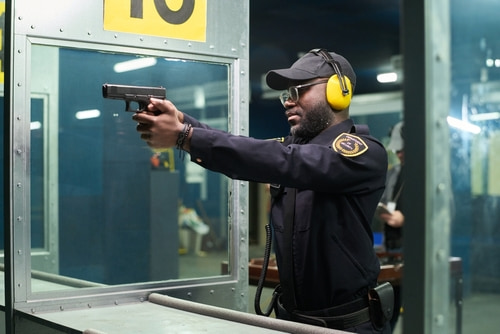
Although individual training schedules may differ slightly, Connecticut qualifications generally combine classroom instruction with practical range exercises. Every portion of the course is designed to reinforce legal responsibility and proper weapon handling rather than simply measuring shooting ability.
The day usually begins with safety instruction
Before anyone steps onto the firing line, instructors review essential safety rules. Students learn or refresh the universal principles of gun safety, including proper muzzle awareness, trigger discipline, loading and unloading procedures, proper storage, and safe transportation practices.
Range commands are also explained in detail. Everyone is expected to understand what each command means before live-fire exercises begin. This structured approach helps create a safe learning environment where students know exactly what is expected of them throughout the qualification.
Classroom instruction builds the foundation
Before practical exercises begin, instructors often spend time discussing legal responsibilities, professional ethics, use-of-force considerations, equipment requirements, and the importance of exercising sound judgment.
This portion helps students understand that carrying a weapon involves significant responsibility. It also places qualification within the broader scope of training requirements covering criminal justice, handcuffing, and OC spray, allowing students to see how every part of the curriculum works together to prepare them for the profession.
Range qualification emphasizes consistency over speed
Once students move to the range, instructors explain each exercise before it begins and supervise every stage of the qualification. Participants generally fire from designated distances while demonstrating safe operation, proper grip, sight alignment, trigger control, and accuracy.
The purpose is not to rush through drills or create unnecessary stress. Instead, instructors want students to demonstrate that they can safely operate their gun while following instructions carefully. Remaining calm, paying attention, and maintaining consistent technique are often more valuable than trying to shoot quickly.
Students who have questions are encouraged to ask before each exercise begins. Clear communication helps prevent misunderstandings and contributes to a safer experience for everyone on the range.
Professional behavior matters throughout the course
Instructors also observe how students conduct themselves throughout the training day. Listening carefully, following safety procedures, handling equipment responsibly, and maintaining a professional attitude all contribute to successful participation.
Responsible professionals understand that technical ability alone is not enough. Safety through decision-making, communication, and de-escalation remains equally important because many situations are resolved through proper judgment long before force becomes a consideration.
Developing these habits during training prepares students for the responsibilities they may encounter later in their careers.
Don’t expect Hollywood-style scenarios
Many people enter training with expectations shaped by movies or online videos. Those portrayals often focus on dramatic action instead of professional standards.
Actual BEA training is much more structured and methodical. Students spend far more time learning safety procedures, legal responsibilities, and proper techniques than performing high-speed tactical drills. Real-world professionalism depends on preparation, patience, and discipline rather than dramatic confrontations.
How to prepare before training day
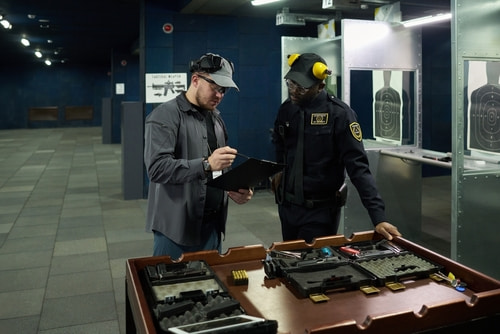
A little preparation can make the experience much smoother. Before attending your scheduled course:
- Review any instructions provided by the training organization.
- Bring all required identification and documentation.
- Wear comfortable clothing suitable for range activities.
- Use appropriate eye and hearing protection if instructed to bring your own.
- Arrive early to complete any necessary paperwork.
- Stay hydrated and well-rested so you can remain focused throughout the day.
Perhaps most importantly, come with an open mind. Every student arrives with a different level of experience, and quality instruction is designed to help participants build confidence step by step.
Remember that instructors are there to guide you through the qualification process safely. Paying attention, asking questions when needed, and following directions carefully will help you make the most of the training experience.
Where can I find a high-quality bail enforcement agent firearms class in Connecticut?
Blackledge Training runs BEA firearms qualifications across Connecticut, built around the fundamentals covered above: safety, legal responsibility, and steady range work rather than showmanship. Our instructors work with students at every experience level, from first-timers to professionals brushing up between assignments.
From the Mystic Seaport Museum out to the western side of the state, courses run on a regular schedule, so reach out to see what’s coming up next.